
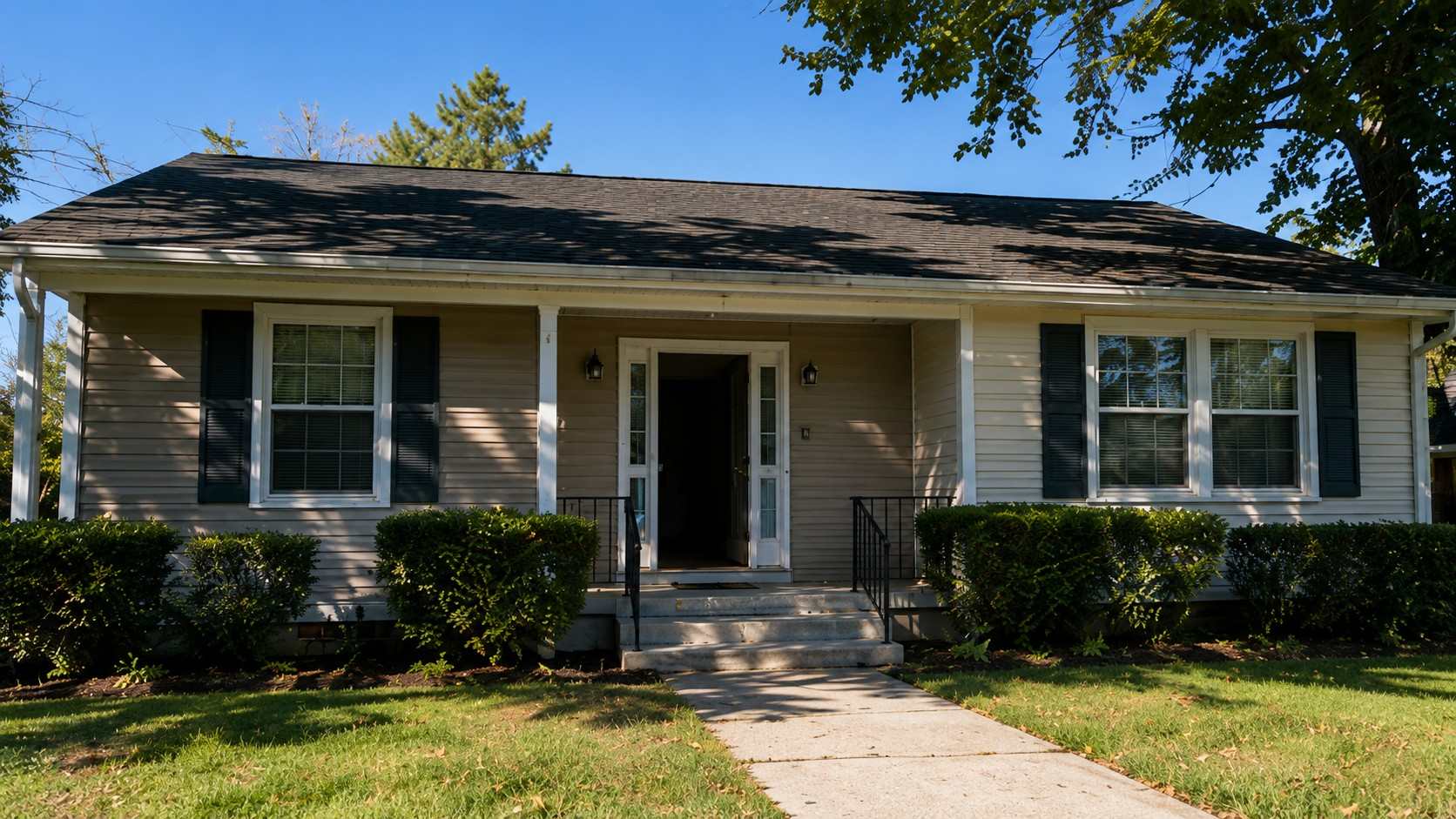
Selling a vacant property can seem simpler than selling an occupied home because there are no tenants or residents to coordinate with. However, an empty property still requires attention. Insurance, security, maintenance, utilities, taxes, and other ownership costs may continue even when no one is living there.
A property can become vacant for many reasons. A tenant may have moved out, an owner may have relocated, or a family may have inherited a home they do not plan to occupy. Whatever the circumstances, owners should understand the property’s condition, ongoing costs, and available options before deciding whether to hold, rent, repair, list, or sell it.
Why Vacant Properties Still Need Active Attention
A vacant home is not necessarily a distressed property, but problems can go unnoticed when nobody is there regularly. A small leak, storm damage, pest activity, broken window, or mechanical issue may become more serious if it is not discovered promptly.
Regular property checks can help owners identify changes in condition, confirm that doors and windows remain secure, and catch maintenance concerns earlier. Exterior upkeep also matters. Landscaping, debris, mail, and other visible signs of prolonged vacancy may require attention.
If the home became vacant after an inheritance, the guide to options for keeping, renting, or selling an inherited property can help owners consider the broader ownership decision.
Understand the Costs That Continue During Vacancy
Vacancy may stop rental income, but it does not automatically stop property expenses. Owners should look at the total cost of holding an empty home while deciding what to do next.
Depending on the property, continuing expenses may include:
- Property taxes: Tax obligations generally continue while the property remains under the owner’s ownership.
- Insurance: Coverage terms or requirements may change when a property becomes vacant.
- Utilities: Electricity, water, gas, or other services may need to remain active for maintenance or protection.
- Maintenance: Landscaping, cleaning, pest control, seasonal upkeep, and repairs may still be necessary.
- Association expenses: Homeowners or condominium association obligations may continue where applicable.
- Financing costs: Mortgage and other property-related payments continue when applicable.
These carrying costs do not mean an owner must sell quickly. They simply belong in the comparison. If an owner plans to spend several months renovating or waiting to sell, understanding the expected cost of that additional ownership period can lead to a more informed decision.
Review Insurance and Security
Owners should not assume an existing insurance policy works exactly the same way after a home becomes unoccupied. Definitions of vacancy, notification requirements, coverage limitations, and policy terms can vary. An insurer or qualified insurance professional can explain what applies to the specific property.
Security also deserves attention. Owners can check locks, exterior doors, windows, gates, and other access points. If contractors, relatives, agents, or other people need access, keeping track of keys or access codes can reduce confusion.
The purpose is not to make an empty property appear occupied. It is to protect and monitor the asset responsibly while its future is being decided.
Evaluate the Property’s Current Condition
Vacancy can make it easier to inspect a home without coordinating around occupants. Walk through the interior and exterior and note damaged finishes, aging systems, moisture concerns, exterior deterioration, leftover belongings, and obvious maintenance needs.
Then distinguish practical repairs from optional improvements. A broken exterior door or active water problem is different from functional but dated flooring or cabinets. This distinction can help owners decide where spending may be necessary and where renovation is mainly a matter of presentation.
A vacant home does not automatically need a complete renovation before it can be sold. The existing guide to selling a property as-is explains how owners can evaluate a sale in the property’s current condition rather than assuming every improvement must be completed first.
Should You Repair the Property Before Selling?
The answer depends on the problem, cost, owner’s resources, and intended selling strategy. Repairs that prevent further damage or keep a property secure may have a practical purpose. Major cosmetic renovations require a different calculation.
Before committing to extensive work, consider the expected project cost, likely timeline, and carrying expenses that continue during construction. Renovations can also reveal additional problems or take longer than expected.
If an owner plans to list broadly for owner-occupant buyers, certain improvements may support that strategy. If the owner is considering a direct investor sale, allowing a prospective investor to evaluate the existing condition first may help determine whether extensive pre-sale work is worthwhile.
Would Renting the Property Again Make Sense?
For a former rental, vacancy can also be a decision point rather than an automatic reason to sell. An owner may prepare the home for another tenant if continued rental ownership fits their plans.
Consider expected rent alongside taxes, insurance, maintenance, management needs, vacancy risk, and future capital expenses. Any work needed before a new tenancy should also be included. Owners should also consider whether they want to continue handling the responsibilities associated with a rental property.
If those responsibilities no longer fit the owner’s goals, the vacant period can provide an opportunity to compare continued ownership with selling.
Compare a Traditional Listing With an Investor Sale
A vacant property can potentially be sold through different routes. A traditional listing may provide broad market exposure and can suit owners willing to prepare and market the home through the conventional sales process.
A direct conversation with a real estate investor offers another route. An investor may consider location, condition, comparable properties, potential rental performance, operating expenses, and anticipated ownership needs when evaluating whether a property fits its strategy.
Owners considering this option can review what to expect when selling a property to a real estate investor before comparing the alternatives.
Neither route is automatically better. Owners can compare preparation, market exposure, expected timing, costs, proposed terms, and the amount of involvement required by each option.
Prepare Useful Property Information
Accurate records can help prospective buyers understand a vacant property. Useful information may include known repair issues, maintenance history, major improvements, property taxes, insurance information, utility details, and association obligations when applicable.
If the home was previously rented, available rental and operating records may provide additional context. Owners do not need perfect documentation before beginning a conversation, but organized information can reduce uncertainty and make questions easier to answer.
Frequently Asked Questions About Selling a Vacant Property
Do I need to renovate a vacant home before selling it?
Not necessarily. The decision depends on condition, costs, selling strategy, and the potential benefit of the work. Necessary maintenance and optional cosmetic renovation should be considered separately.
Can an investor evaluate a vacant property that needs repairs?
Potentially. Investors may evaluate properties in different conditions. Repair needs can be considered together with location, market information, anticipated expenses, and the investor’s strategy.
Should utilities remain on while the home is vacant?
That depends on the property, climate, maintenance needs, insurance requirements, and other circumstances. Owners should determine what is appropriate for their property rather than relying on a universal rule.
Does vacancy make a property easier to sell?
Vacancy can make property access easier because occupants do not need to be coordinated, but it can also create carrying costs, security concerns, and maintenance responsibilities. Its effect depends on the property and selling strategy.
Make Vacancy Part of the Overall Property Decision
A vacant property still requires active ownership. Insurance, security, maintenance, utilities, carrying costs, and physical condition can all influence what makes sense while the home remains empty.
Owners can compare the practical requirements of holding, repairing, renting, traditionally listing, or exploring a direct investor sale. Looking at the complete picture can help turn an open-ended vacancy into a deliberate decision based on the property and the owner’s priorities.
Considering Selling a Vacant Property?
Stonewalker Properties focuses on residential investment opportunities across Florida, Georgia, Alabama, Ohio, and Indiana with a disciplined, long-term ownership mindset. If you are considering what to do with a vacant residential property, you can contact Stonewalker Properties to discuss the property and determine whether further evaluation may make sense.