
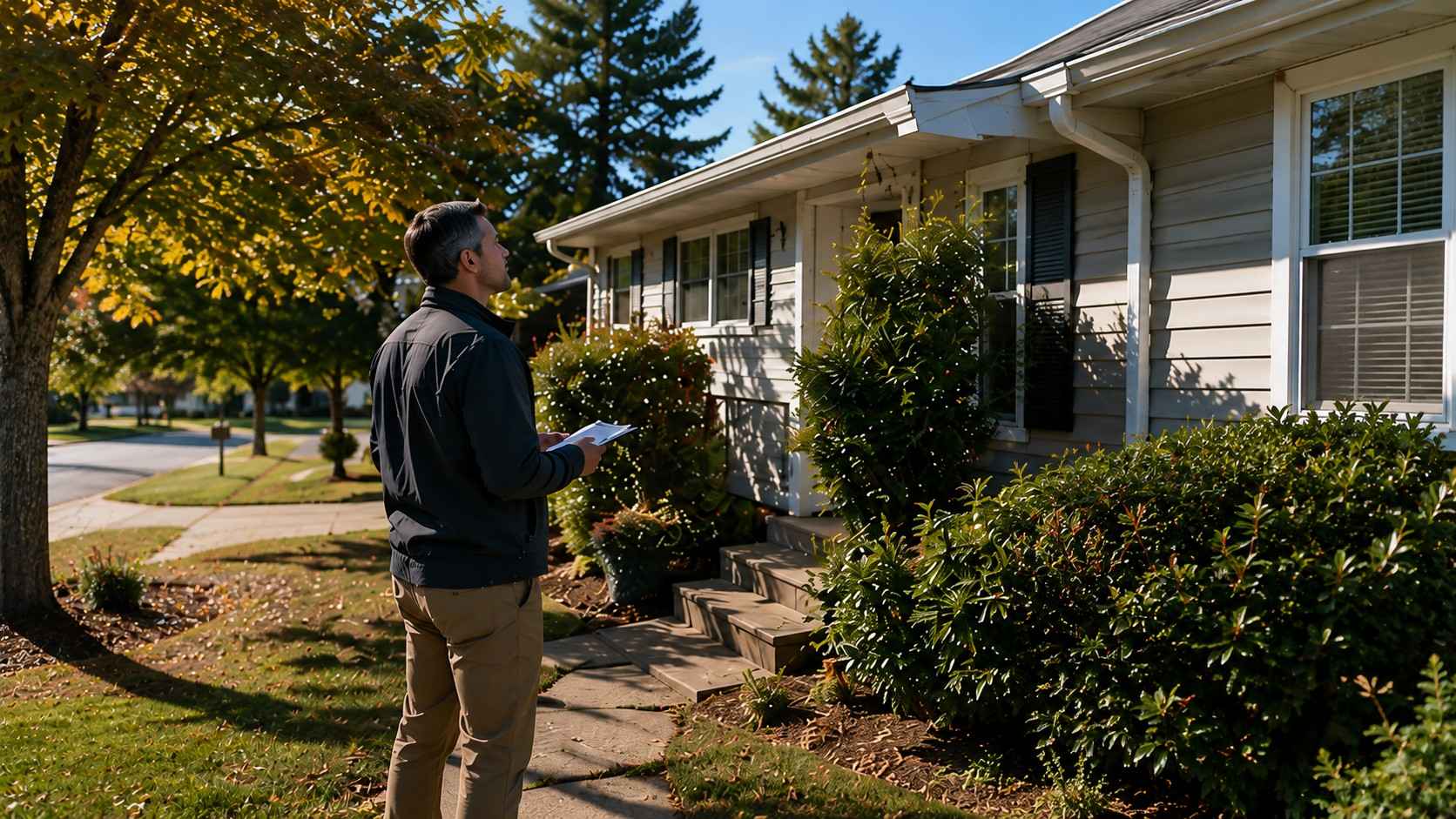
Property condition is one of the most visible parts of a real estate transaction, but its effect on an investor’s offer is not always as simple as subtracting the estimated cost of repairs. An investor may consider the current condition of the home together with location, occupancy, rental potential, operating expenses, comparable properties, and the work that responsible long-term ownership may require.
For property owners, understanding this broader view can make an investor’s questions easier to interpret. A worn interior, aging roof, deferred maintenance, or recently renovated kitchen can all matter, but no single feature necessarily determines whether a property fits an investment strategy or what terms a buyer may propose.
Why Property Condition Matters to an Investor
Condition can affect both immediate and future ownership costs. A property that requires substantial work may need additional capital after purchase, while a well-maintained property may have fewer near-term needs. Investors therefore try to understand not only how a property looks today, but what may be required to operate and maintain it over time.
That analysis can include the roof, heating and cooling systems, plumbing, electrical components, windows, exterior, kitchens, bathrooms, flooring, appliances when relevant, and general maintenance. Owners can review what real estate investors look for when evaluating a property for a broader explanation of how condition fits with other investment considerations.
Cosmetic Issues and Major Repairs Are Different
Not every property issue carries the same significance. Cosmetic concerns such as dated paint, worn finishes, or older cabinets are different from problems involving major systems or conditions that could lead to additional damage.
An investor may consider the expected scope, cost, and timing of work rather than simply counting the number of visible imperfections. A dated but functional room may require a different assumption from an active plumbing leak or a roof approaching replacement.
How Repair Needs Can Affect an Offer
When repairs are anticipated, an investor may incorporate those needs into the overall economics of the potential purchase. The analysis can involve more than a contractor’s estimate. The buyer may also consider the time required for work, uncertainty about the final scope, future maintenance, and how the property will perform after improvements are completed.
Repair costs can also vary between buyers. Investors may use different contractors, materials, standards, schedules, or assumptions. For that reason, an owner should not expect every investor to assign exactly the same value to a repair or reach the same conclusion about the property.
The proposed purchase price is ultimately one part of a larger transaction. Owners should review the actual offer and its terms rather than trying to predict a buyer’s exact formula from a list of repairs.
Should Owners Complete Repairs Before Seeking an Offer?
Not automatically. Some repairs may make practical sense, especially when they prevent further deterioration or help protect the property. Major renovations undertaken primarily to increase an investor’s offer require more careful comparison.
Before spending money, consider the project cost, likely timeline, ongoing carrying expenses, and possibility that additional work could be discovered. Owners should also consider whether the improvement supports their chosen selling strategy.
The Stonewalker guide to selling a property as-is provides additional context for owners considering a sale in the property’s existing condition. Selling as-is does not necessarily remove inspections, due diligence, disclosures, or contractual obligations, but it can help frame the decision about pre-sale repairs.
Renovations Do Not Always Translate Directly Into Offer Value
Owners sometimes assume that spending a certain amount on renovation will increase an investor’s offer by the same amount or more. That relationship is not guaranteed. A buyer may have different plans for the property or may value improvements differently from an owner-occupant.
For example, replacing functional finishes with premium materials may improve appearance but may not change other investment factors such as taxes, insurance, location, rent, or future capital needs. An investor may also prefer different materials or a different renovation scope.
Deferred Maintenance Can Tell a Broader Story
Deferred maintenance refers to work that has been postponed rather than completed as needs arose. One delayed repair may be straightforward, while several unresolved items can suggest that additional parts of the property deserve closer evaluation.
An investor may therefore look beyond a visible issue to understand the general maintenance history. Available invoices, warranties, service records, and information about significant improvements can help provide context. Owners should also be candid about known problems rather than attempting to make the property appear problem-free.
Accurate information gives a prospective buyer a clearer starting point and can reduce surprises later in the evaluation process.
Vacancy and Occupancy Can Change the Condition Picture
Condition does not exist separately from how a property is being used. A vacant home may allow easier access for inspection but can require additional attention to security, utilities, insurance, and unnoticed maintenance problems. A tenant-occupied property may have different access considerations and ongoing lease responsibilities.
For rental properties, an investor may also consider whether maintenance needs could affect continued operations or future expenses. Existing leases and applicable tenant requirements should be reviewed separately from the physical condition itself.
Market Context Still Matters
Two properties with similar repair needs can be evaluated differently because they are in different locations or markets. Comparable sales, rental conditions, neighborhood characteristics, property type, and local demand can all provide context.
Condition is therefore one input rather than a universal pricing formula. A buyer considering long-term ownership may weigh physical needs alongside the property’s broader investment characteristics before deciding whether to proceed and what offer terms make sense.
What Can Owners Do Before an Investor Evaluation?
Owners do not need to perform the investor’s analysis themselves. They can, however, prepare useful information and develop a realistic understanding of the property.
- Identify known issues: Note significant repairs, maintenance concerns, and areas that may need attention.
- Gather available records: Organize invoices, warranties, service records, and documentation for major improvements.
- Separate repairs from upgrades: Distinguish functional or protective work from optional cosmetic renovation.
- Consider ongoing costs: Remember that taxes, insurance, utilities, maintenance, and other expenses may continue while work is completed.
- Avoid unsupported assumptions: Do not assume a specific renovation will produce an equivalent increase in an investor’s offer.
Owners who are new to direct investor transactions can also review what owners should expect when selling to a real estate investor to understand the broader process.
Frequently Asked Questions About Property Condition and Investor Offers
Does a property need to be in good condition to receive an investor offer?
Not necessarily. Investors may evaluate properties in different conditions, although each buyer has its own strategy and criteria. Condition is typically considered together with other property and market factors.
Will an investor deduct the exact repair cost from the property value?
There is no universal formula. Investors may estimate repairs differently and consider other factors when developing an offer. Owners should evaluate the actual proposed price and terms rather than assuming a specific calculation.
Should I get repair estimates before speaking with an investor?
Repair estimates can help an owner understand potential costs, but they are not always required before an initial conversation. Providing accurate information about known issues can give the prospective buyer a starting point for its own evaluation.
Can cosmetic improvements increase an investor’s offer?
They may influence an evaluation, but an increase is not guaranteed. The investor may have different renovation plans and will generally consider the property as a whole rather than evaluating cosmetic work alone.
Look at Condition as Part of the Complete Property
Property condition can influence an investor’s offer because repairs, maintenance, and future capital needs affect ownership. But condition does not operate in isolation. Location, occupancy, income, expenses, comparable properties, and the buyer’s strategy can also shape an evaluation.
Owners can make better-informed decisions by understanding known issues, comparing the cost of improvements with their selling strategy, and reviewing the complete terms of any offer. A property does not have to be perfect to be evaluated, and renovating first is not automatically the best approach.
Want to Discuss a Property in Its Current Condition?
Stonewalker Properties focuses on residential investment opportunities across Florida, Georgia, Alabama, Ohio, and Indiana with a disciplined, long-term ownership mindset. Owners who want to explore whether a property may fit that approach can contact Stonewalker Properties to discuss the property and determine whether further evaluation makes sense.